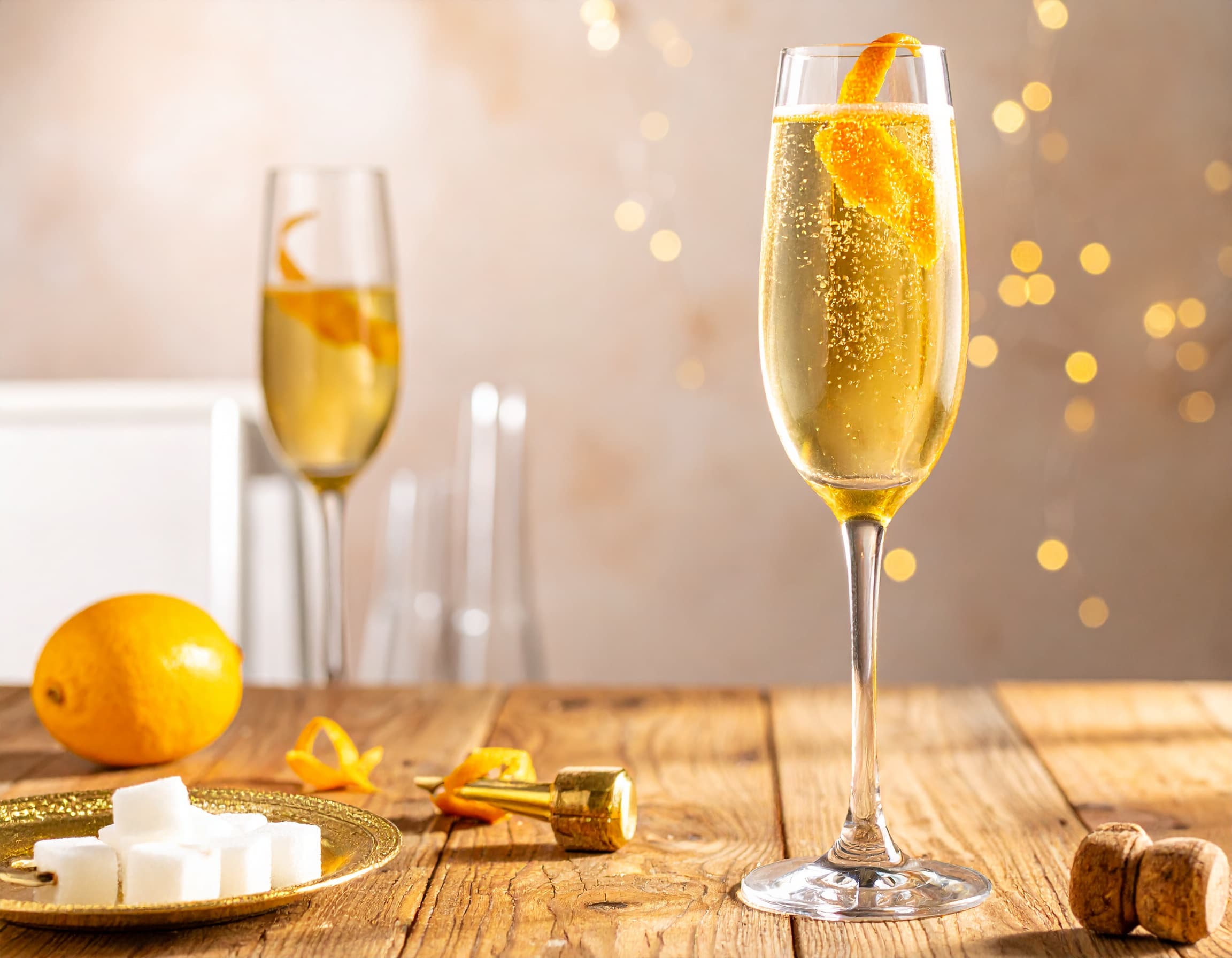
Champagne cocktail

Champagne Cocktail

(0 ratings)

A classic IBA cocktail that elevates Champagne with the warm complexity of Cognac and aromatic bitters, served in an elegant flute for celebrations.

SUGGESTED GLASSWARE

Champagne Flute

Keep screen on?

Recipe

1 cocktail (120ml)
  • Champagne 
    90 ml
  • Cognac 
    10 ml
  • Sugar Cube 
    1 cube
  • Angostura Aromatic Bitters 
    2 dashes
  • Orange Peel 
    1 strip
  • Maraschino Cherry 
    1 piece
Recipe credit: International Bartenders Association (IBA)

Instructions

Step

Place one sugar cube in the bottom of a chilled Champagne flute.

Step

Add 2 dashes of Angostura bitters directly onto the sugar cube, allowing it to soak in and saturate the cube.

Step

Pour 10ml of Cognac over the soaked sugar cube.

Step

Add a small splash of Champagne and gently stir to partially dissolve the sugar cube, being careful not to overstir.

Step

Slowly top with the remaining chilled Champagne, pouring gently to preserve bubbles and prevent overflow.

Step

Twist orange zest over the drink to release oils, then drop into the glass. Add maraschino cherry if desired.

Equipment

Bar spoon
Jigger
Citrus peeler

Description

The Champagne Cocktail is one of the oldest and most elegant cocktails in the bartending canon, dating back to the mid-19th century. This sophisticated drink transforms ordinary Champagne into something extraordinary by adding layers of complexity through Cognac, aromatic bitters, and sugar. The classic preparation method allows each ingredient to shine while creating a harmonious balance that celebrates both tradition and refinement. Perfect as an aperitif or for special occasions, this cocktail embodies the essence of celebratory drinking.

Nutritional information

1 cocktail (120ml)
Calories
165
ABV
11.2 %
Alcohol
10.6 g
Carbs
8.2 g
Carbs from Sugar
8.2 g
Fat
0 g
Protein
0.2 g
Sodium
2 mg
Nutritional information is approximate and includes estimated 30% dilution from ice. Values may vary based on specific brands and preparation methods.
Allergens
Sulfites

Tips & Notes

  • Always use Brut Champagne rather than sweeter varieties to maintain the cocktail's balanced flavor profile and prevent excessive sweetness.

  • Pour Champagne slowly down the side of the glass to preserve maximum carbonation and prevent excessive foaming.

  • Never shake this cocktail - the Champagne should always be added last and handled gently to maintain its effervescence.

  • Chill your glassware beforehand to keep the drink at optimal temperature and enhance the Champagne's crisp character.

  • Use only Angostura bitters for the authentic flavor profile - other bitters will significantly alter the classic taste.

Yes, good-quality Cava or Crémant work well as substitutes if Champagne is unavailable. However, avoid overly sweet Proseccos as they can make the cocktail unbalanced.

While Cognac is traditional and preferred, a good quality Armagnac or even aged rum can substitute, though this will change the flavor profile of the classic cocktail.

Only partially dissolve the sugar cube by stirring gently just once or twice. The cube should slowly dissolve as you drink, providing gradual sweetness rather than immediate overwhelming sweetness.

A flute is preferred as it preserves carbonation better and concentrates the aroma. However, a coupe can be used for a more vintage presentation style.

Related Citrus, Herbal, Sweet cocktails

Monkey Gland

A classic 1920s cocktail with gin, fresh orange juice, grenadine, and absinthe
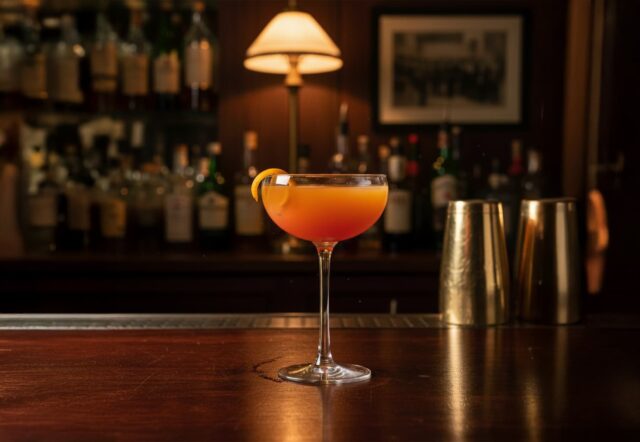
Monkey gland

Yellow Bird

A vibrant tropical classic featuring white rum, Galliano, triple sec, and fresh lime juice in perfect harmony.

Yellow bird

Ve.n.to

The first official IBA cocktail featuring grappa as its base spirit, combining Italian grappa with citrus, floral chamomile, and honey.
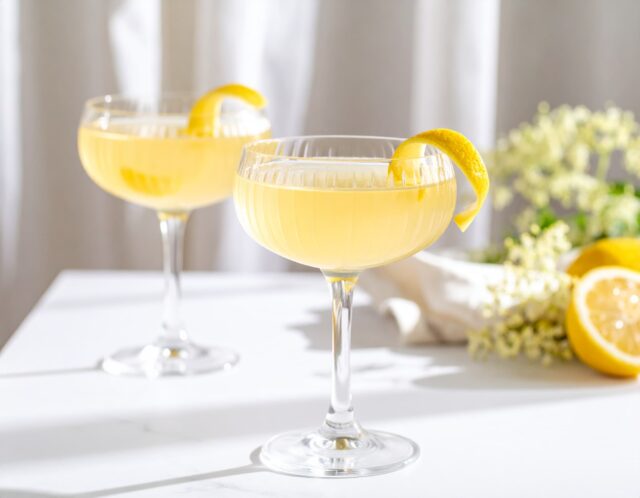
Ve.n.to

Comments are closed.

Cocktail Difficulty Levels

We’ve added a difficulty rating to every cocktail so you’ll know what to expect before you start mixing. It’s not about being “hard” or “easy” in the strict sense—it’s about how much preparation, skill, and hunting for ingredients you’ll need.

  • Beginner – Quick builds or simple shakes with common ingredients you’ll likely already have at home. Perfect for beginners or a casual evening.

  • Intermediate – A bit more technique (stirring, shaking, muddling, layering) and a few extra ingredients. You might need to buy one or two bottles or garnishes you don’t already stock.

  • Advanced – Multiple steps, specialty techniques (infusions, syrups, foams), or rare ingredients. These drinks take more effort and planning, but reward you with something truly impressive.

The rating is based on things like the number of ingredients, how rare they are, and the skills needed to bring the cocktail together.

Okay

Recipe notes

Create a free account 

My Bar, saved forever
Without an account, your ingredients are only stored in cookies and can disappear. With an account, your bar is saved securely – so you can always see which recipes you can craft (or almost craft) based on what you have at home.

Rate recipes
Share your opinion and help other cocktail lovers discover the best recipes.

Favourites at your fingertips
Save your go-to cocktails for quick access right from your account page.

Personal notes
Add your own tweaks, tips, or reminders to any recipe – perfect if you like to experiment or record what worked best.

Exclusive newsletter
Opt-in for insights into mixology, cocktail theory, and home bartending – plus stay updated when new recipes are added.

Quick recipe

Ingredients

  • Champagne
    90 ml
  • Cognac
    10 ml
  • Sugar Cube
    1 cube
  • Angostura Aromatic Bitters
    2 dashes
  • Orange Peel
    1 strip
  • Maraschino Cherry
    1 piece

Method

  1. Place one sugar cube in the bottom of a chilled Champagne flute.
  2. Add 2 dashes of Angostura bitters directly onto the sugar cube, allowing it to soak in and saturate the cube.
  3. Pour 10ml of Cognac over the soaked sugar cube.
  4. Add a small splash of Champagne and gently stir to partially dissolve the sugar cube, being careful not to overstir.
  5. Slowly top with the remaining chilled Champagne, pouring gently to preserve bubbles and prevent overflow.
  6. Twist orange zest over the drink to release oils, then drop into the glass. Add maraschino cherry if desired.