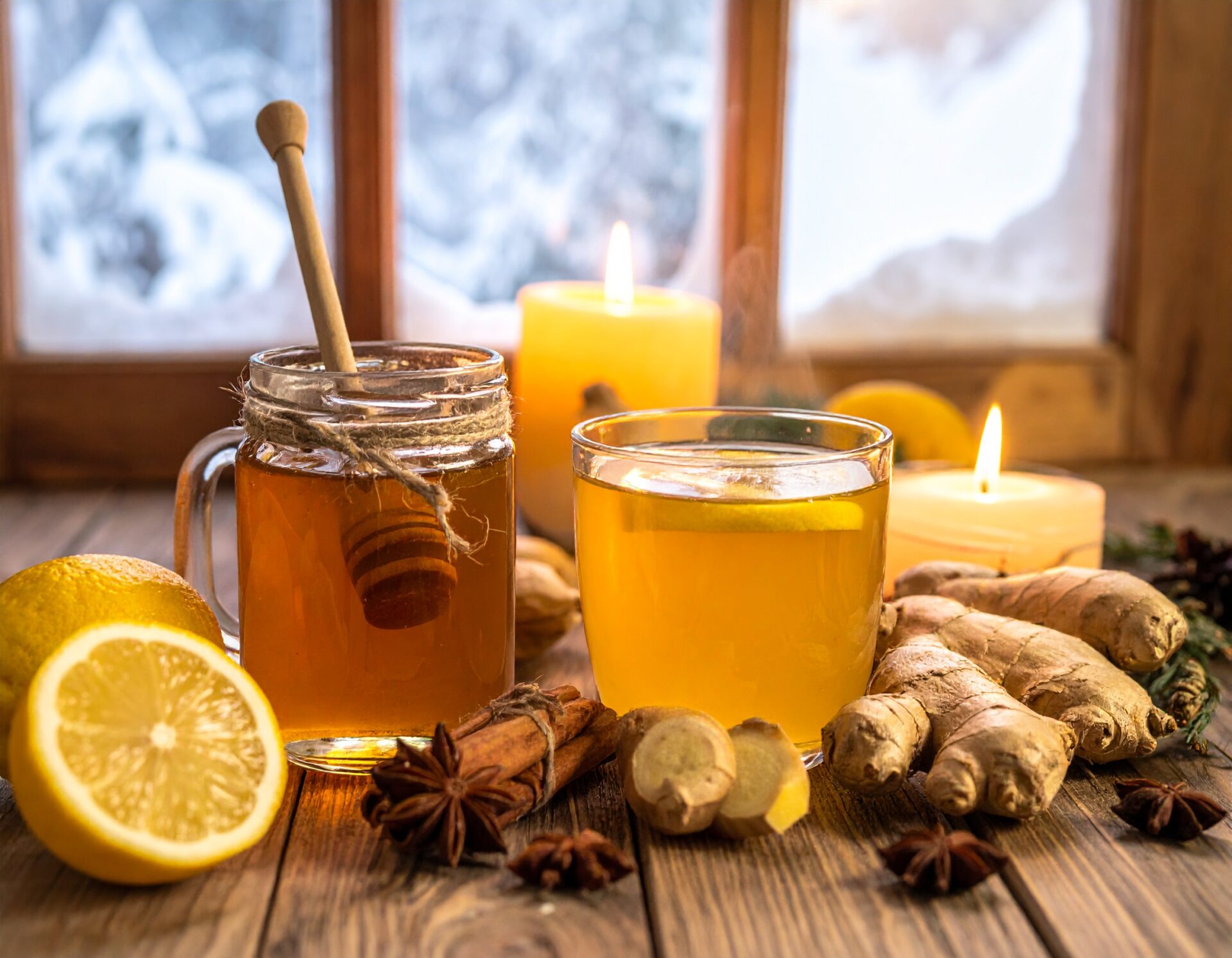
There’s a certain magic to wrapping your hands around a steaming mug when the winter bugs hit. People swear by hot toddies, some cling to mulled wine at holiday markets, others talk about Jägertee or gløgg as though they’ve been prescribed by a family doctor. But let’s get something straight right at the start: alcohol doesn’t cure a cold. It doesn’t kill viruses, it can actually dehydrate you, and mixed with medications it may do more harm than good. The true helpers in these drinks are the unsung pantry staples; honey, lemon, ginger, tea, spices. They carry the actual comfort, and in some cases the scientific backing. The spirits? They’re tradition, warmth, and sometimes a placebo you’re happy to sip anyway.
Which Drink Works Best for Which Symptom?
Not every winter bug feels the same, so it helps to match your mug to what your body’s dealing with. A scratchy throat calls for something different than a clogged nose or a queasy stomach. The old remedies line up surprisingly well with specific symptoms, even if the alcohol isn’t the active hero.
When your throat feels raw and sore, nothing beats the simple combination of honey and warm liquid. A classic hot toddy, even without the whisky, brings honey, lemon, and steam together, and that’s about as soothing as it gets. The honey coats the throat, the lemon cuts through mucus, and the warmth keeps you sipping. Swap in chamomile tea instead of plain hot water for an extra calming touch before bed.
For coughing fits that drag on at night, the trick is much the same. A ginger and honey infusion, sometimes nicknamed a “Not Toddy,” helps ease irritation and may settle the cough reflex long enough to let you sleep. The ginger adds a spicy lift, while honey works as a natural cough suppressant. Many people find this simple combination works as well as over-the-counter syrups, without the drowsy side effects.
Stuffy or blocked noses respond best to steam and aromatics. Peppermint tea or a peppermint-infused hot toddy helps open the airways with menthol, while chamomile brings mild decongestant effects and relaxation at the same time. Mulled cider with clove and cinnamon won’t unclog your sinuses directly, but the warm steam can give short-term relief, and the spices provide comfort when breathing feels heavy.
If nausea is the problem, go straight to ginger. A hot ginger tea, spiced syrup, or even a ginger-heavy Penicillin cocktail (minus the whisky if you’re feeling fragile) does wonders. Ginger’s effectiveness against nausea is well studied, and the warming spice in a hot drink can be both grounding and comforting.
Sometimes the main issue is fatigue and feeling chilled to the bone. In that case, drinks like golden milk or mulled wine step in as more psychological comfort than physiological medicine. Golden milk delivers warmth, a gentle sweetness, and anti-inflammatory turmeric, while mulled wine or gløgg wraps you in the scents of the holidays. They won’t fix the virus, but they remind you that winter still has its pleasures.
The simplest rule? Honey and ginger for the throat and cough, peppermint or chamomile for the nose, ginger for the stomach, and golden milk or mulled spices for general comfort. Everything else is decoration. And that’s okay. Sometimes decoration is what makes a long winter night bearable.
Why Warm Drinks Became “Medicine”
Before modern medicine, people reached for what they had: hot water, herbs, fermented beverages, a spoonful of honey. It’s easy to see how warm drinks were cast as remedies. Steam eases congestion, heat relaxes sore muscles, honey soothes a scratchy throat. Add a splash of rum or whiskey and suddenly you have a folk tonic that feels strong enough to fight back against winter itself. The ritual became part of the healing. Brewing, sipping slowly, inhaling the fragrant steam. Even if the alcohol wasn’t helping physiologically, the experience offered comfort, and comfort was medicine in its own way.
A Short History of the Hot Toddy
The hot toddy is the drink most often linked to colds, and its story stretches back to 18th-century Scotland. The word “toddy” likely comes from the Hindi word tārī, referring to a drink made from palm sap that British colonialists encountered in India. Back home, the term morphed into a mix of spirits, hot water, sugar, and spice. In chilly Edinburgh and Glasgow, whisky replaced palm sap and locals began to add honey and lemon. By the 19th century, the whisky toddy had crossed to North America, where bartenders in New York and New Orleans were recommending it for “influenza” and “catarrh.” Whether it cured anything is doubtful. But the combination of strong spirit, hot liquid, and soothing sweet-sour notes became a cultural prescription that stuck.
The Rise of Mulled Wine and Its Many Names
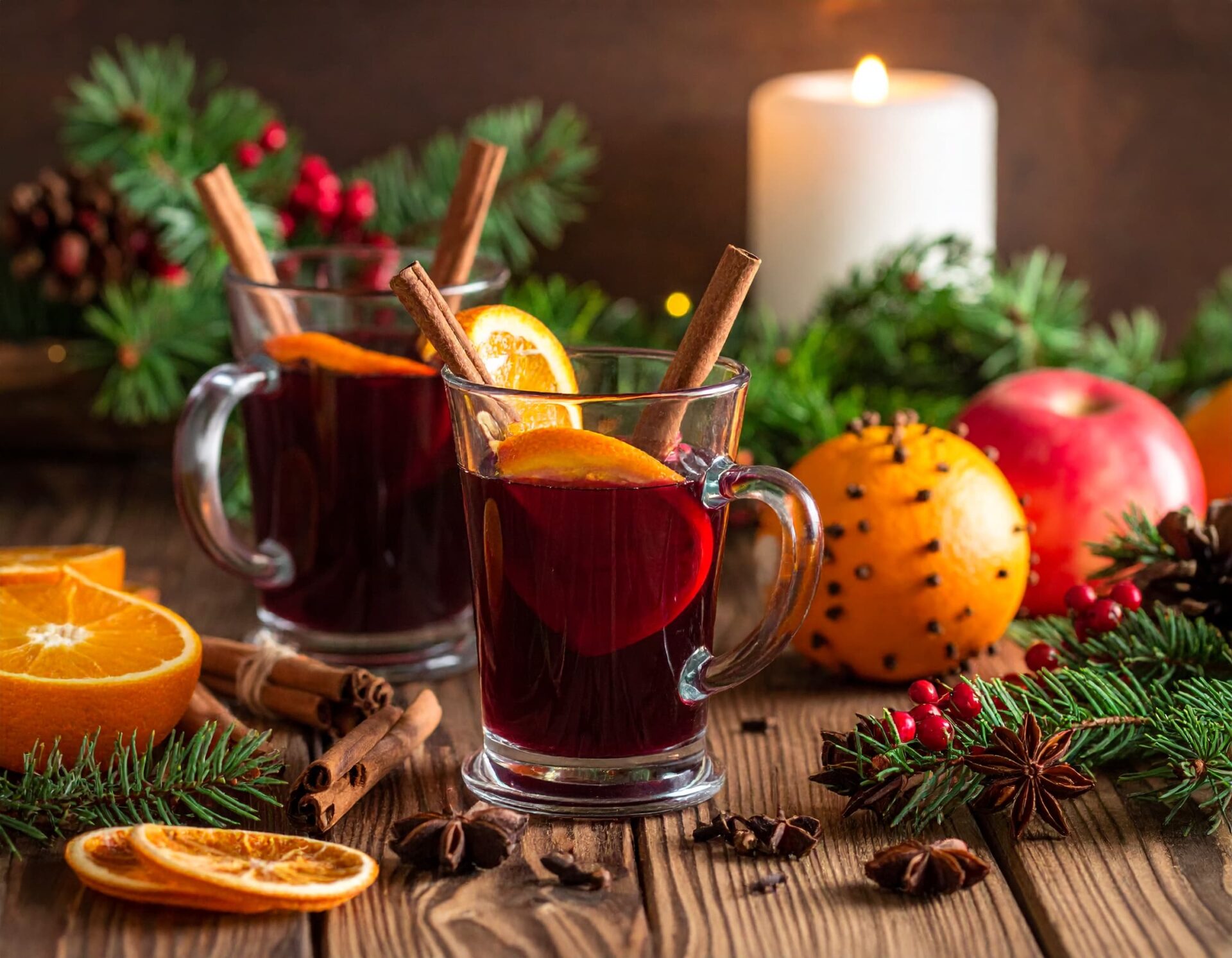
Mulled wine, or Glühwein in Germany, vin chaud in France, gløgg in Scandinavia, and vin brulé in Italy, is another centuries-old “remedy.” The roots go all the way back to the Romans, who warmed and spiced wine as a way of preserving it and making it more palatable. Spices were expensive, and using them carried a sense of luxury and indulgence. Over time, hot spiced wine evolved into a Christmas and winter staple. At European Christmas markets today, it’s as much a health ritual as it is a social one. People swear that a steaming cup of mulled wine “wards off” the sniffles. The reality is that the cinnamon, clove, and citrus peel provide soothing aromas and flavors, while the alcohol mostly just warms you from the inside out. Still, the tradition persists because these drinks aren’t just beverages. They’re shared cultural comfort during the coldest, darkest months.
Jägertee, Glogg, and Other Alpine Remedies
If you’ve ever skied in Austria or Germany, you’ve probably seen Jägertee on the menu. It translates literally to “hunter’s tea,” and it’s a strong combination of black tea, rum (often overproof), sugar, and spices. Originating with hunters in the Alps, it became a staple of ski resorts and mountain huts. It’s served steaming hot, usually in thick mugs that fight off the mountain chill. Again, the “remedy” part isn’t the alcohol but the tea, the heat, and the sugar giving quick energy. The same is true in Scandinavia, where gløgg is a festive mix of wine, spirits, nuts, raisins, and spices. The serving itself—shared among family or after outdoor winter activities—contributes as much to the sense of well-being as any single ingredient in the pot.
Other Classics in the Comfort Catalogue
The list goes on. Hot buttered rum emerged in colonial America, mixing the sweetness of molasses with rum and butter, a rich, fortifying drink for freezing nights. British navy grog, sometimes served hot, was a sailor’s daily ration of diluted rum with lemon or lime, intended to prevent scurvy and lift morale. Hot gin punch was a staple of 18th-century English taverns, combining gin, lemon, sugar, and boiling water in big communal bowls. Across cultures, the common theme is unmistakable: warmth, spice, and sweetness, with a touch of spirit to give the illusion of medicine.
The Ingredients That Actually Do Something
So which ingredients deserve their reputation? Honey is the most reliable. Multiple studies show it reduces coughing at night and improves sleep, especially for children over one year old and adults dealing with irritation. Ginger, too, earns its place: it has proven benefits for nausea and may bring anti-inflammatory relief for sore throats. Lemon provides hydration and a hint of vitamin C, though its benefits are modest unless you’re deficient. Tea brings steam and calm, with herbal infusions like chamomile or peppermint offering relaxation and mild decongestion. Cinnamon, clove, star anise, and cardamom carry antimicrobial compounds in laboratory studies, but evidence in human colds is thin. What they do provide is fragrance, ritual, and that warming sensory blanket.
When Alcohol Isn’t the Best Choice
It’s tempting to romanticize these drinks, but it’s important to be clear-eyed about alcohol. Spirits can dehydrate you, and hydration is your body’s best tool for recovery. Alcohol also interferes with common cold and flu medicines, particularly acetaminophen, dextromethorphan, and sedating antihistamines. And while a splash of whiskey may help you relax, it often disturbs sleep later in the night. For those who are pregnant, underage, or managing health conditions, alcohol isn’t recommended at all. Fortunately, the flavors of these drinks survive beautifully without the spirits. A non-alcoholic toddy or mulled cider delivers nearly the same comfort without the drawbacks.
Zero-Proof Variations with Real Benefits
Take the alcohol out, and you still have powerful comfort drinks. A honey-ginger-lemon toddy made with herbal tea is genuinely soothing, especially at night. Golden milk, with its turmeric and ginger base, offers a fragrant, caffeine-free option that’s perfect before bed. Spiced apple cider fills the kitchen with the same aromas as mulled wine, while delivering hydration instead of dehydration. These drinks are not consolation prizes. They’re often the smarter choice when your body is under the weather.
How to Choose the Right Drink When You’re Sick
Think of it this way: match the drink to the symptom. If you’re coughing at night, a honey-laced herbal tea is your best bet. If your nose is clogged, steam from a peppermint or chamomile infusion helps you breathe easier. If nausea is the problem, ginger tea is a lifesaver. And if you’re simply cold, tired, and hungry for comfort, golden milk or spiced cider is a hug in a mug. The more elaborate cocktails like Irish coffee, Tom & Jerry, or hot buttered rum are wonderful winter indulgences, but they belong to festive evenings, not sickbeds.
The Cultural Weight of Comfort
One thing often overlooked is the psychological dimension. Warm drinks, especially those tied to holidays and shared traditions, are powerful because they connect us. Mulled wine at a Christmas market isn’t just a beverage. It’s memory, nostalgia, and community in liquid form. Hot toddies are less about medicinal effect and more about the ritual: mixing, stirring, inhaling the lemony steam. When you’re sick, that ritual itself can be therapeutic. It tells your body and mind: pause, rest, take care.
Practical Wisdom to Keep in Mind
So what’s the final verdict? Alcohol is not a cure and, strictly speaking, it’s not helpful when you’re actively ill. The value lies in the supporting cast: honey, ginger, lemon, tea, spices. Just as important is the warmth, both physical and emotional, that comes from the ritual of these drinks. They can help you sleep, soothe your throat, and keep you hydrated if you choose wisely. The tradition, the history, and the cultural storytelling that swirl around them are part of why we reach for these mugs year after year. And that matters too. Because sometimes the point isn’t to shorten the cold by a day. It’s to make those days more bearable.
The Takeaway
When winter comes and the inevitable wave of colds and flu follows, it’s worth knowing what actually helps. Honey, ginger, lemon, tea: reliable. Mulled wine, hot buttered rum, Irish coffee: comforting but not curative. Non-alcoholic versions: often the better choice when you’re sick. And above all, hydration, rest, and time are still your best medicine. Brew a mug, hold it close, breathe in the steam. That, more than the whiskey, is the old secret hiding in plain sight.