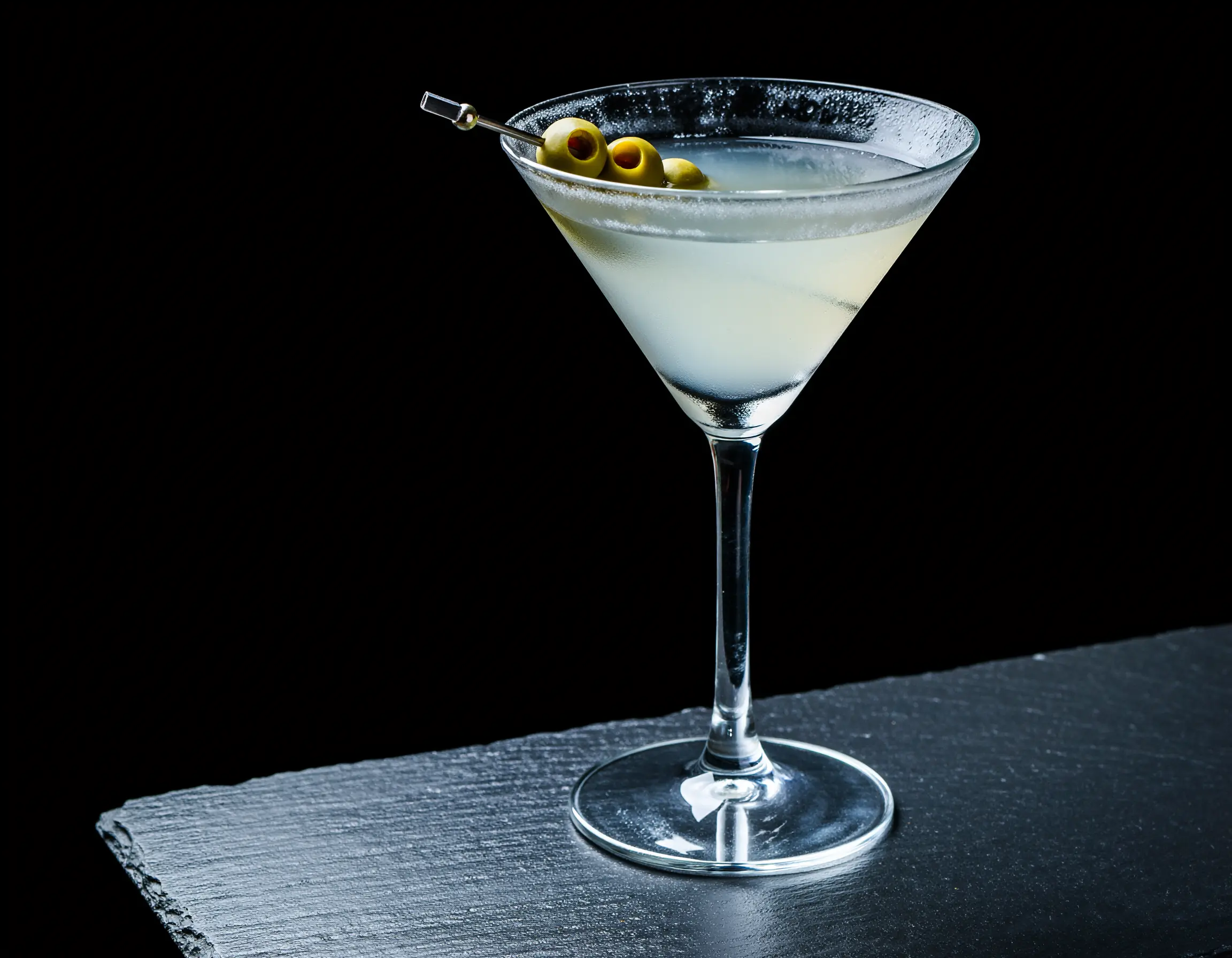
Dirty Martini
A classic martini with a savory twist, featuring gin or vodka, dry vermouth, and olive brine for a perfectly balanced briny cocktail.
SUGGESTED GLASSWARE
Martini Glass
Recipe
- London Dry Gin75 ml
- Dry Vermouth15 ml
- Olive brine15 ml
- Olive3 pieces
Instructions
Equipment
Description
The Dirty Martini is a sophisticated variation of the classic martini that adds olive brine to create a savory, briny edge. This cocktail combines premium gin or vodka with dry vermouth and high-quality olive brine, resulting in a perfectly balanced drink that’s both refreshing and complex. The addition of olive brine transforms the traditional martini into something uniquely satisfying for those who appreciate savory cocktails.
Nutritional information
1 cocktail (130ml)Tips & Notes
Always use fresh, high-quality olive brine from premium olives. Avoid using brine that tastes overly salty or vinegary as it will overpower the drink.
Stir rather than shake to maintain clarity and proper texture. Stirring for 30-45 seconds achieves optimal dilution and temperature without over-aerating.
For an extra dirty martini, increase olive brine to 22-30ml, but taste as you go to avoid overwhelming the gin's botanicals.
Chill all your equipment beforehand, including the mixing glass and strainer, for the coldest possible cocktail.
Use a 5:1 ratio of gin to vermouth as your starting point, then adjust to personal preference. Fresh vermouth makes a significant difference in taste.
Should I use gin or vodka for a Dirty Martini?
Both are excellent choices. Gin provides botanical complexity that pairs beautifully with olive brine, while vodka offers a cleaner, more neutral base that lets the olive flavor shine. Try both to discover your preference.
How much olive brine should I use?
Start with 15ml for a standard dirty martini. For extra dirty, use 22-30ml, but add gradually and taste. Too much brine can overpower the drink and make it unpleasantly salty.
Should I stir or shake a Dirty Martini?
Stirring is traditional and preferred as it maintains clarity and proper texture. However, shaking is acceptable if you prefer a colder, slightly cloudier martini with more aeration.
What type of olives work best for the brine and garnish?
Castelvetrano, Spanish Queen, or Cerignola olives provide the best brine quality. Avoid overly processed olives with artificial flavors. The brine should taste clean and briny, not harsh or chemical-like.
Love & Murder
A bold, theatrical cocktail from Porchlight NYC, balancing Green Chartreuse and Campari with lime and saline for a striking neon green-ruby appearance and intense herbal-bitter flavor profile.
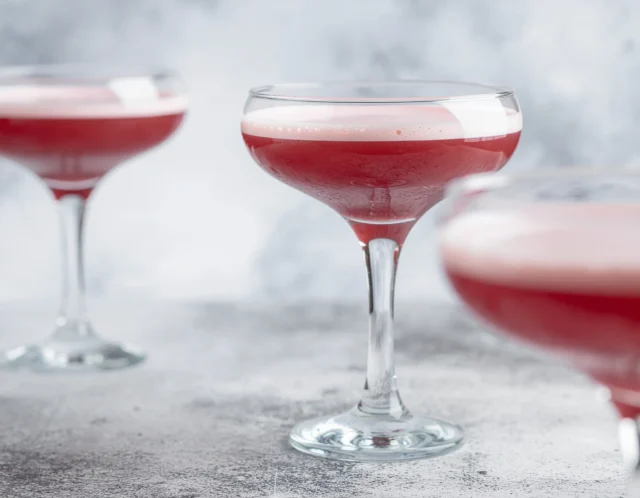
Gin & Tonic
The perfect balance of premium gin and high-quality tonic water, served ice-cold in a balloon glass with precise technique.

Industry Sour
A bold equal-parts cocktail combining Fernet Branca, Green Chartreuse, fresh lime juice, and simple syrup - the ultimate bartender's drink.

Dolce Vita
A vibrant Italian-inspired cocktail balancing bittersweet amaretto, herbal rabarbaro, and bright citrus notes in a modern riff on the classic Amaretto Sour.

Lucien Gaudin
A sophisticated classic cocktail that represents a refined evolution of the Negroni family, balancing gin, Campari, orange liqueur, and dry vermouth into a harmonious aperitif.

Sea Legs
A sophisticated modern classic combining peated whisky, mezcal, almond orgeat, and lime with savory celery bitters for a complex smoky-sour experience.
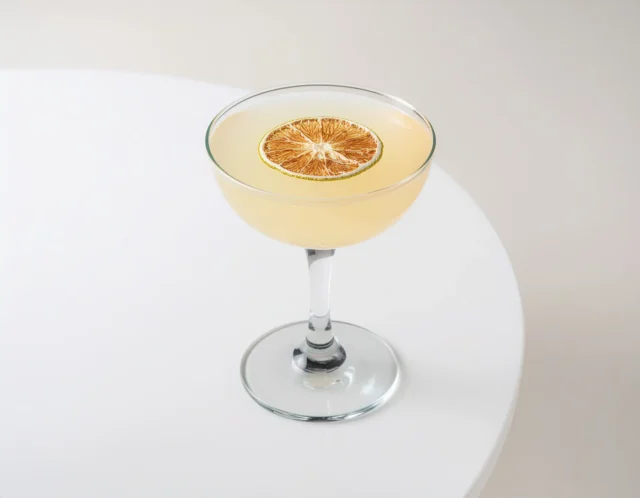
Bitter Mai Tai
A modern twist on the classic Mai Tai, replacing the second rum with Campari for a bittersweet, complex tropical cocktail.

Spanish Monk
A sophisticated gin cocktail featuring the herbal complexity of Green Chartreuse, balanced with fresh lemon juice and enriched with silky egg white foam.

Gloria Cocktail
A sophisticated Negroni-inspired cocktail combining gin, Campari, dry vermouth, and orange liqueur for a perfectly balanced bittersweet experience.

Enzoni
A modern classic that elegantly bridges the gap between the Negroni and the Gin Sour, using muddled grapes to add fresh, juicy sweetness that balances Campari's bitterness.

Negroni Sbagliato
A sparkling twist on the classic Negroni, this "mistaken" cocktail combines Campari and sweet vermouth with effervescent Prosecco for a lighter, refreshing aperitif.
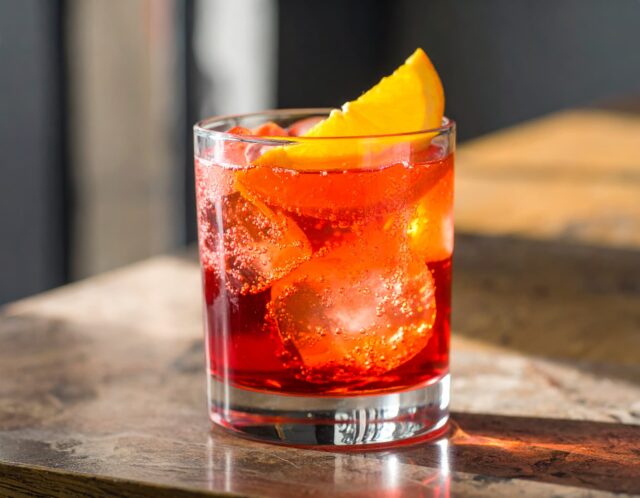
Ti’ Punch
The iconic three-ingredient cocktail of Martinique showcasing rhum agricole's grassy, vegetal character
